WAND Smart home automation ecosystem for modern families
A comprehensive qualitative UX research, information architecture, and product strategy initiative. WAND transforms fragmented, intimidating home automation into a unified, friction-free mobile ecosystem designed specifically around the daily routines and anxieties of families with children.
Role
UX Researcher & Product Designer
Team & Authors
Sara Abril, Berta Rossell, José García, Lluís Obradors
Timeline
Master's Degree Final Project (Grupo 1)
Core Deliverables
13 Field Interviews, Miro Affinity Tree, User Personas, Paper Wireframes, Figma Prototype
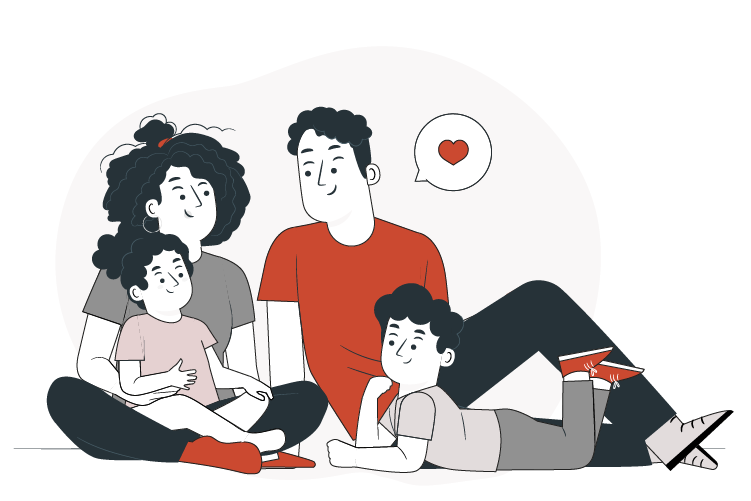
“Parece hecho para ingenieros, no para familias.”
Translating 100+ verbatim observations from Catalan households into clear, non-alarmist home automation.
Overview
WAND is an IoT domestic orchestration ecosystem engineered to resolve the Smart Home Paradox: despite high consumer curiosity, modern parents abandon connected devices due to setup friction, multi-app fragmentation fatigue, and surveillance anxiety.
As part of Grupo 1 in our Master's Degree at SHIFTA by ELISAVA, our team (Sara Abril, Berta Rossell, José García, and Lluís Obradors) spearheaded an exhaustive qualitative discovery sprint. We conducted desk research into IoT hardware standards, interviewed 13 real heads of family across the Barcelona metropolitan area, synthesized over 100 observations into a structured Miro affinity map, and modeled validated user personas.
Rather than building technology for technology's sake, WAND reframes home automation around two vital emotional anchors: measurable monetary savings on utility bills and quiet, non-intrusive reassurance for child and home safety.
The Challenge
The smart home market is saturated with incompatible protocols (Zigbee, Matter, Z-Wave, proprietary Wi-Fi hubs) requiring separate apps for every lightbulb, thermostat, and camera. Our qualitative discovery revealed three acute pain points:
Field Interviews
In-depth qualitative sessions with diverse parents across Barcelona & suburbs.
Verbatim Insights
Transcribed and clustered to isolate genuine parental mental models.
Affinity Clusters
Synthesizing security, utility bill savings, and simplicity into taxonomy.
Cost & Complexity Barrier
“Parece hecho para gente rica o ingenieros, no para nosotros.”
Security vs. Surveillance Tension
“¿Aumenta mi seguridad o la vuelve más vulnerable a fugas de datos?”
Field Research
To avoid design team biases, we recruited and conducted semi-structured qualitative interviews with 13 diverse family units across Catalonia. We balanced housing typologies (80m² city apartments, townhouses with gardens, multi-story detached homes) and child age groups (infants of 8 months to teenagers of 13 years).
Mariona (43yo)
Two children (5 & 8). Severe worry over winter heating expenses and kids leaving corridor lights on continuously.
Maria (36yo)
Three children (7yo and 4yo twins). Overwhelmed managing 6+ physical keys for cleaners, babysitters, and grandparents.
Bernat (39yo)
Infant (8mo) and dog. Highly tech-savvy but frustrated having to open 5 vendor apps just to check doors and cameras.
Core Qualitative Takeaway
Parents do not buy features; they buy cognitive relief. A smart home app is successful only when parents feel confident leaving their children in the house without worrying about unlocked doors, unclosed windows, or skyrocketing utility bills.
Affinity Synthesis
To make sense of 100+ interview observations, we created an affinity mapping board in Miro. We clustered findings into 12 thematic groupings, identifying the underlying architectural principles required to convert complex hardware telemetry into clear family interactions.
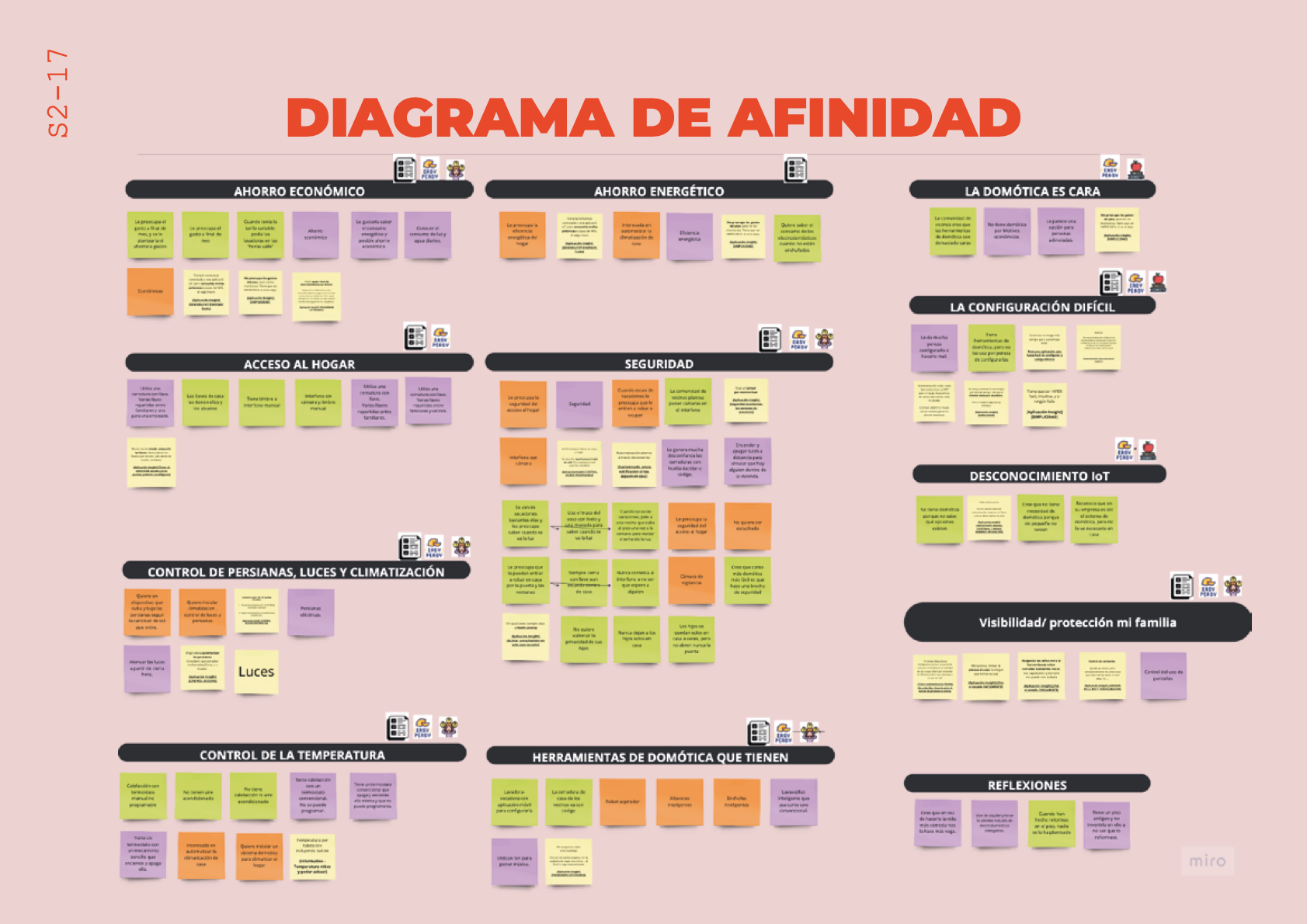
Ahorro Económico
Translating obscure kilowatt-hours into plain Euros, with off-peak appliance schedules.
Tranquilidad Familiar
Single-glance reassurance: doors locked, windows closed, stove off, and vacation mode activity.
Simplicidad “Plug & Play”
Eliminating technical protocol jargon into an accessible, tactile mobile interface for all ages.
User Personas
From our 13 qualitative interviews, we modeled three distinct personas representing the dominant domestic archetypes and tensions: child security anxiety, off-peak energy scheduling, and sustainability routines.
“Me da miedo que entren a robar a casa o que a mis hijos les pase algo cuando están solos. Siempre reviso que las ventanas estén bien cerradas.”
Functional Needs
Instant reassurance: remote confirmation that windows and doors are securely shut, simulated vacation mode, and emergency protocols.
Non-Functional Constraints
- Calm, non-alarmist communication tone.
- Zero technical manual required; kid-friendly.
- Instant biometric access verification.
“Los dispositivos inteligentes me permiten saber la realidad de mi casa y ahorrar en las horas valle. Pero odio tener una app distinta para cada marca.”
Functional Needs
Real-time kilowatt and cost accumulation tracker, automated off-peak scheduling of heavy appliances, and multi-device telemetry.
Non-Functional Constraints
- Unified cross-brand device support.
- Rapid routine configuration under 60 seconds.
- Clear data visualization without chart clutter.
“Me preocupa la eficiencia energética y transmitirle a mi hijo la importancia de un futuro sostenible. Busco algo plug & play que no me complique.”
Functional Needs
Gentle bedtime routines (dimming corridor lights), notifications for phantom standby power draw, and automated climate shutoff when leaving.
Non-Functional Constraints
- Zero privacy infringement or personal data sales.
- Warm, organic, welcoming visual grammar.
- Tactile card customization on the home screen.
Information Architecture
To eliminate cognitive fatigue, we designed a taxonomy that cleanly distinguishes high-frequency glanceable home status from deeper device configuration. Controls are clustered into 4 core functional domains.
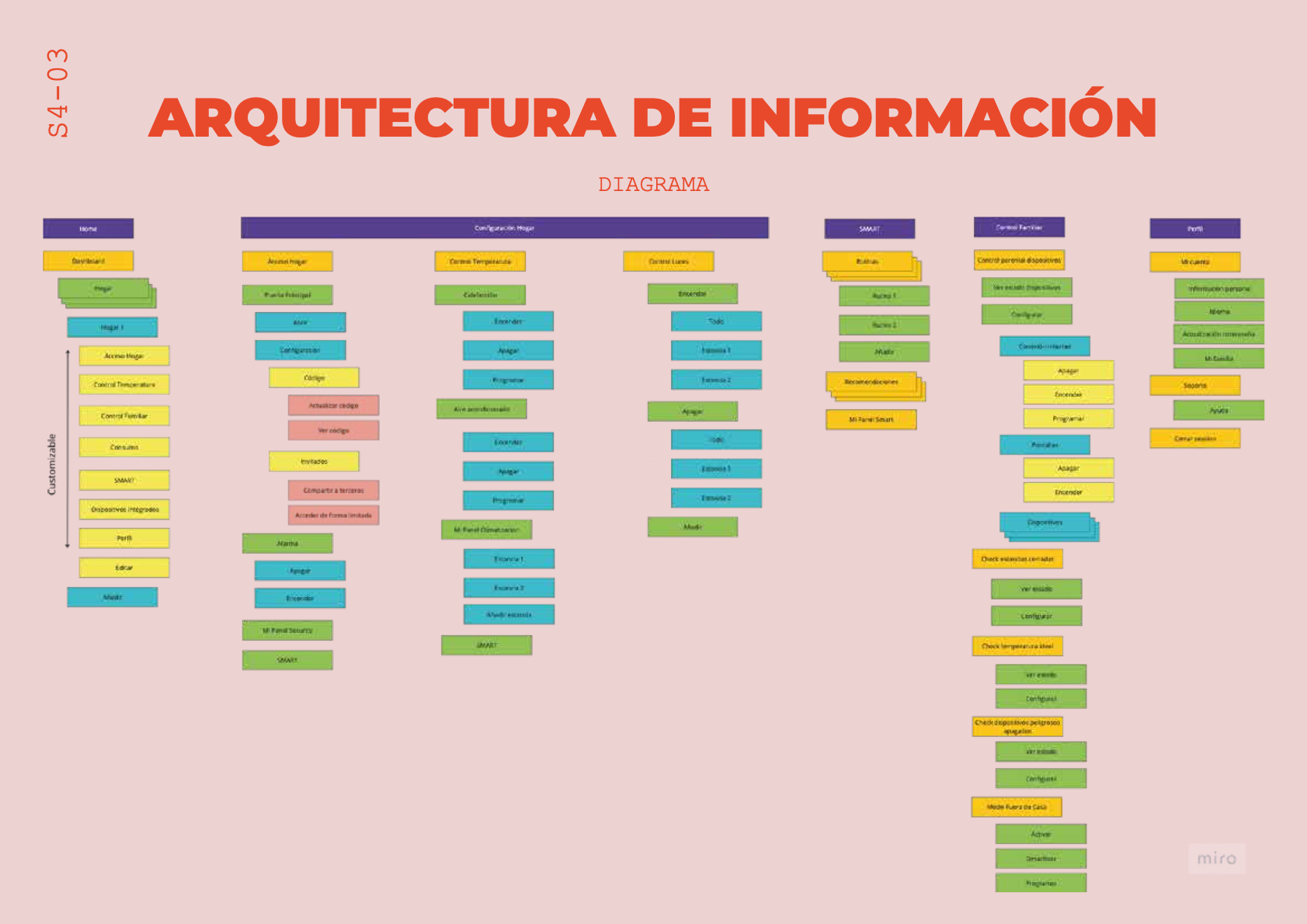
Home & Presence Status
Glanceable status widgets: doors/windows closed, current power draw, temperature, and 1-tap panic lock.
Acceso al Hogar
Time-limited digital invitations for cleaning staff or grandparents, biometric entry, and doorbell video.
Climatización
Zone-by-zone room temperatures, automatic heater shutoff on window open, and appliance scheduling.
Control Familiar
Screen time limits, hazard locks on ovens/stoves, bedtime dimming routines, and ambient bedroom monitoring.
Paper Wireframes
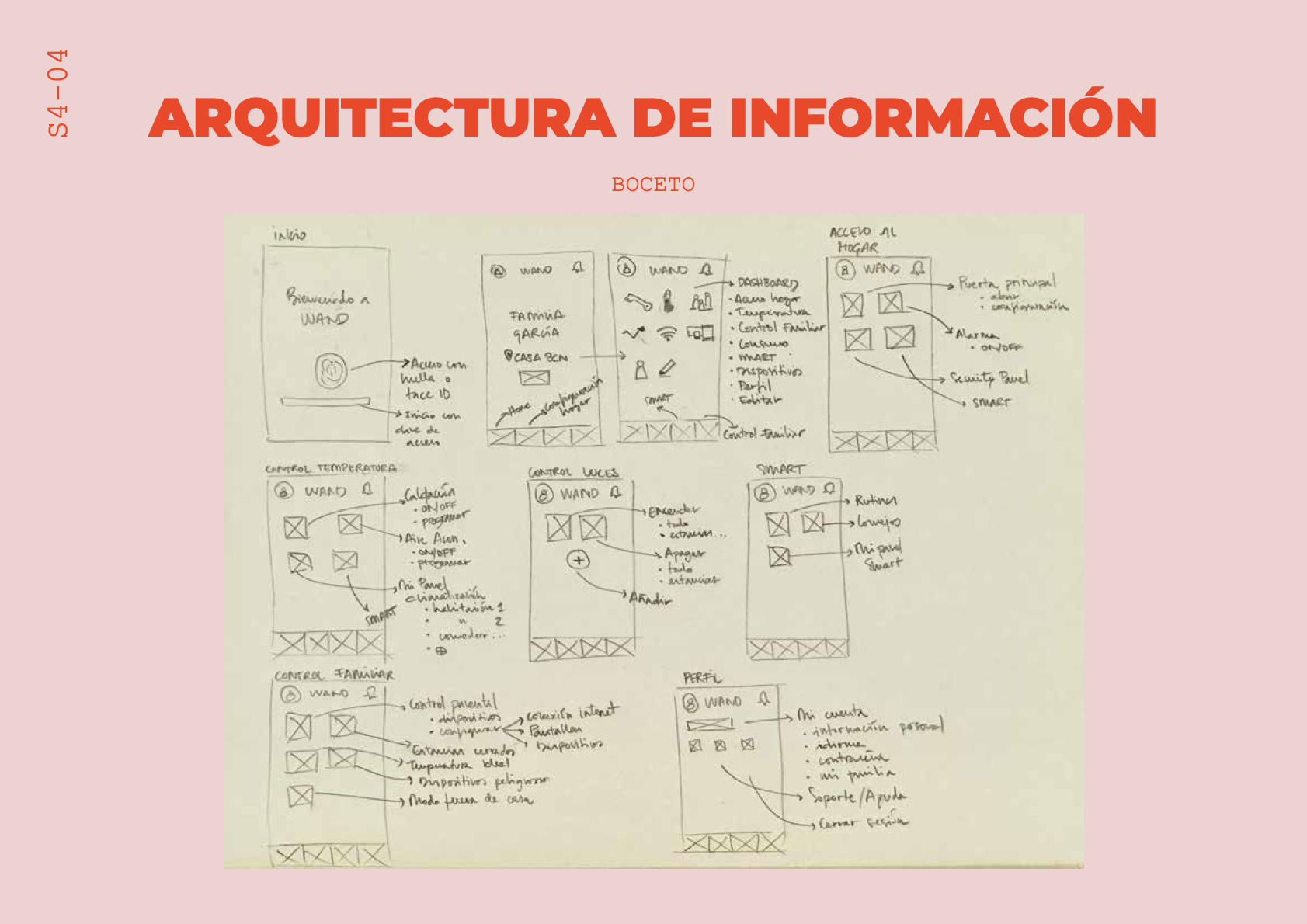
Before moving into high fidelity in Figma, our team conducted rapid paper wireframing iterations. We explored 8 mobile viewports to validate thumb-zone reachability, test mental models for navigation, and ensure that secondary settings never bury immediate home safety actions.
Prototype & UI
To counter the sterile, clinical feel of industrial smart home software, WAND uses a warm, human-centric design grammar. Warm coral accents (#E84E2D), soft cream cards (#FFF5F2), and relatable illustrations make the technology feel welcoming rather than intrusive.
Family Onboarding
Explaining value through daily routines, not technical device specs.
Transparent Security
Biometric verification, explicit permissions, and local encryption.
Your Home in Hand
Unified cross-brand orchestration accessible with a single tap.
Domestic Control, Reimagined.
Every interaction flow in WAND is mapped to reduce anxiety: frictionless family onboarding, clear room-by-room status monitoring, automated off-peak energy scheduling, and non-alarmist child safety alerts.
Reflection
Technology in the domestic sphere must strike a careful balance between control and discretion: it should never demand attention; it should quietly reassure.
By anchoring WAND in 13 field interviews and rigorous affinity mapping, our team avoided the trap of building technology for technology's sake. Every interaction in WAND addresses a concrete anxiety expressed by real parents: keeping children safe, saving money on utility bills, and eliminating digital friction.